
Did you know that Green care, or therapy through exposure to plants and gardening, is an emerging holistic approach to healthcare that focuses on treating the whole person. Numerous studies have demonstrated the beneficial effects of nature on mood and mental health. For instance, simply observing nature or viewing images of natural scenes can reduce stress, lower blood pressure, and improve mental well-being.
Moreover, studies have shown that exposure to greenery can reduce pain, decrease the length of hospital stays, and even lower the need for analgesic medications in post-operative patients. Viewing natural scenes during medical procedures like bronchoscopy can improve the overall patient experience.
Even the presence of plants indoors has been found to increase productivity, lower blood pressure, and positively impact decision-making in economic games. It’s not just about aesthetics; plants help purify the air by removing toxins and microorganisms, contributing to a healthier indoor environment.
In communities, the availability of green spaces has been linked to reduced rates of depression, anxiety, and stress. Access to green space seems to reduce health inequalities, although this relationship can be complex and influenced by factors like income and lifestyle choices.
Gardens: Nature’s Healing Sanctuaries
Therapeutic gardens have been recognized for their role in improving the well-being of patients, visitors, and staff in healthcare facilities. These gardens, often designed to support biodiversity, offer a peaceful and restorative environment that can reduce stress and enhance satisfaction.
Hospices and care homes have also embraced the concept of gardens as healing spaces, providing solace for patients and their families. Innovations like Horatio’s gardens, designed for wheelchair users and bed-bound individuals, offer opportunities for therapy and gardening training.
Prison gardens have a long history of rehabilitating inmates, providing not only a productive activity but also a sense of purpose and skill development. Urban prisons like Wandsworth in London have incorporated green spaces and vegetable gardens to benefit both prisoners and the environment.
Greening Our Communities
In the broader community, gardening has been shown to have a positive impact on individuals with disabilities, including those with mental health issues. Surveys indicate that people with disabilities find gardening to be a beneficial hobby, and many believe that gardens improve their health.
Green Care Farms in countries like Norway and the Netherlands provide opportunities for individuals with various health challenges, including mental health issues and learning disabilities, to engage in farm work, often involving animals. These initiatives have received widespread support and have demonstrated positive outcomes.
The Healing Effects of Gardening: Body and Mind
Why is gardening so effective in promoting health and well-being? Gardening combines physical activity with social interaction and exposure to nature and sunlight. Sunlight, in particular, has been shown to lower blood pressure and increase vitamin D levels. The produce grown in gardens contributes to a healthier diet, and the physical demands of gardening can rival those of a gym workout.
The social interaction fostered by communal and therapeutic garden projects can combat social isolation, benefiting mental health. Studies suggest that gardening can delay the onset of dementia, enhance self-esteem, and even contribute to longevity. Gardening offers a holistic approach to health, encompassing physical activity, nutrition, and mental well-being.
Gardening as a Path to Health and Well-being
In a world grappling with the challenges of an aging population and escalating healthcare costs, exploring alternative therapies like gardening is both prudent and promising. The evidence is clear: exposure to nature, green spaces, and gardening can have profound positive effects on mental and physical health.
As we strive to alleviate the pressure on healthcare systems, incorporating nature-based therapies into healthcare recommendations and community planning is a sensible step forward. By nurturing our connection with nature and harnessing the healing power of green spaces, we can not only enhance our own well-being but also contribute to the broader goals of environmental sustainability and reduced healthcare burdens. In these verdant sanctuaries, we find not just solace but also a prescription for a healthier, happier future.
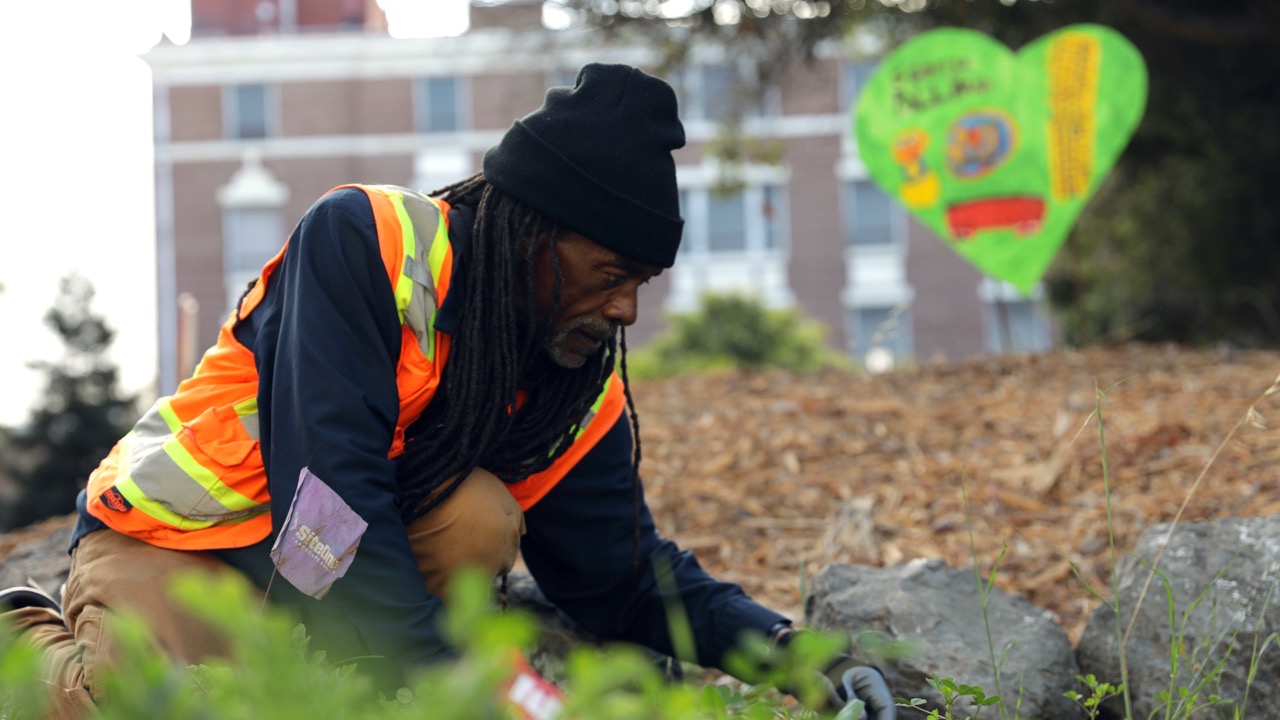
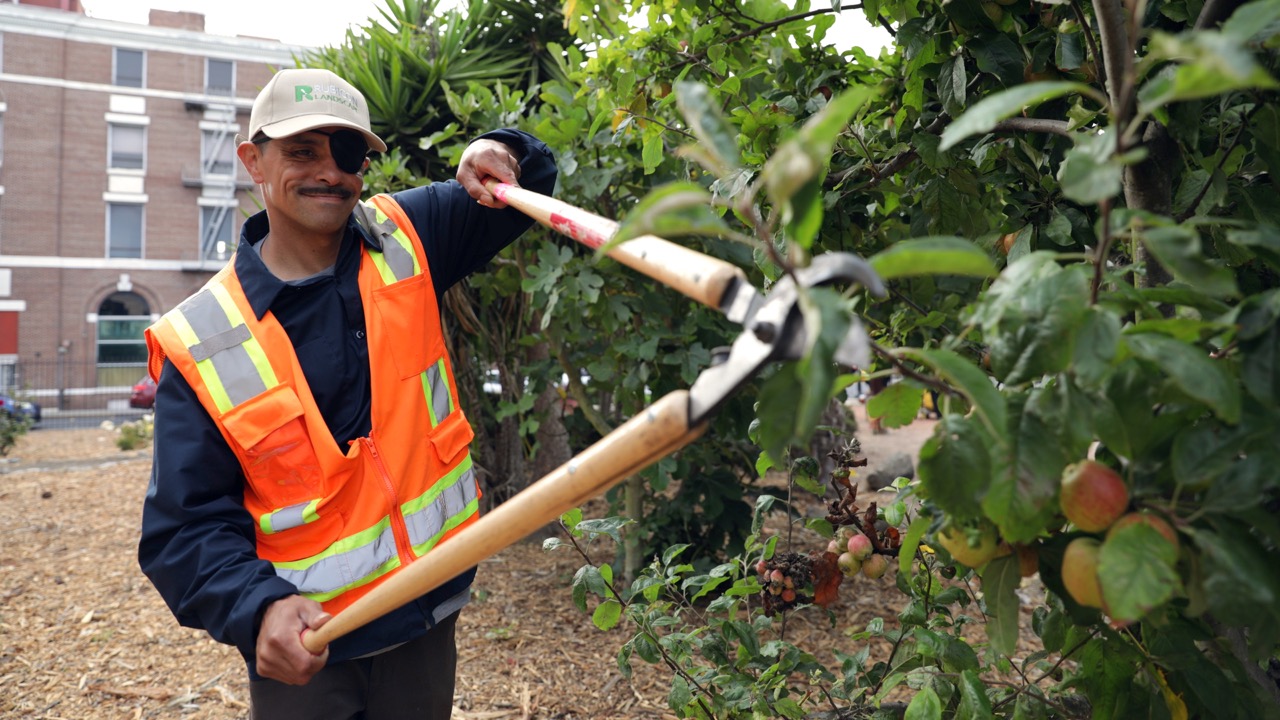
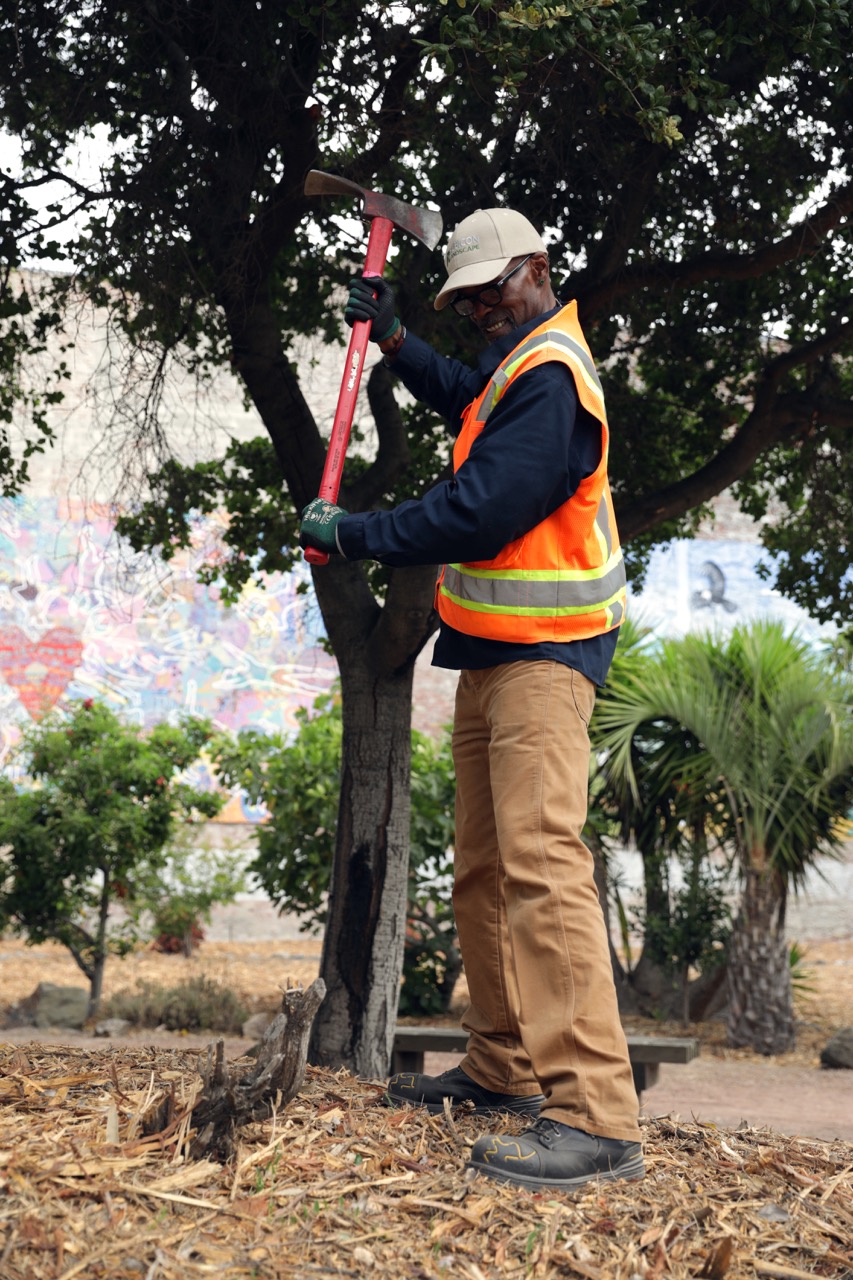
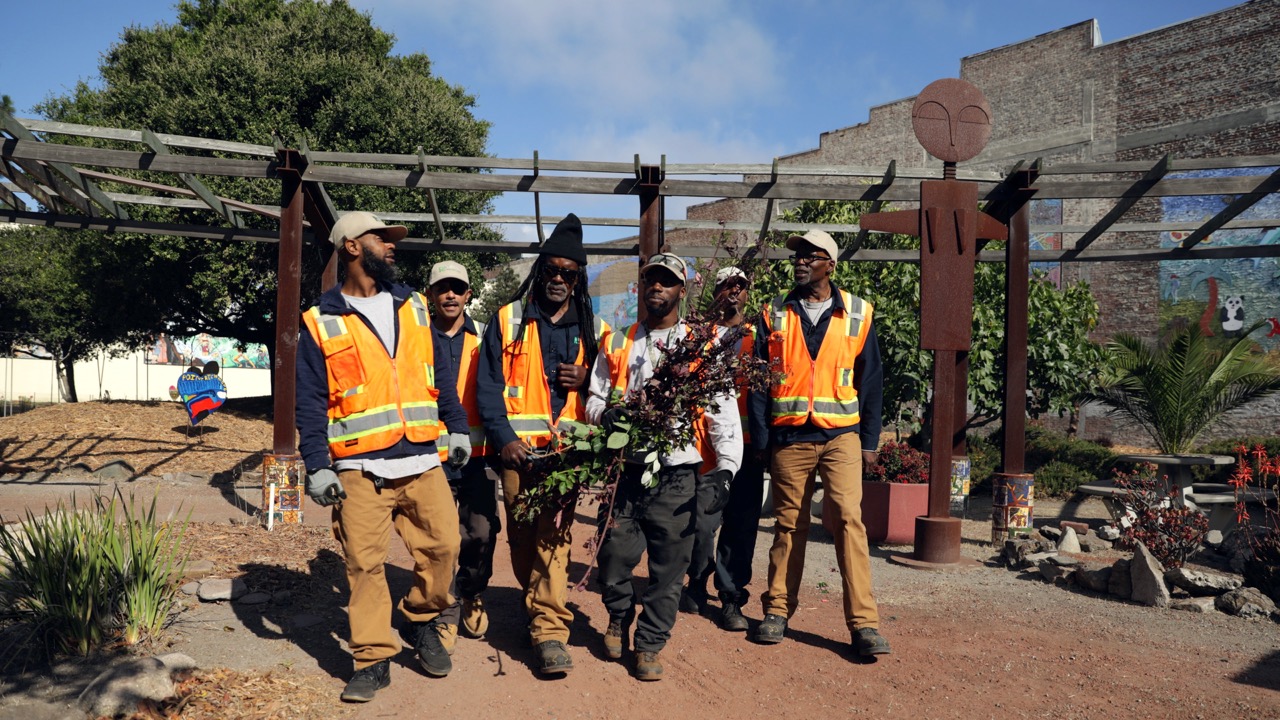
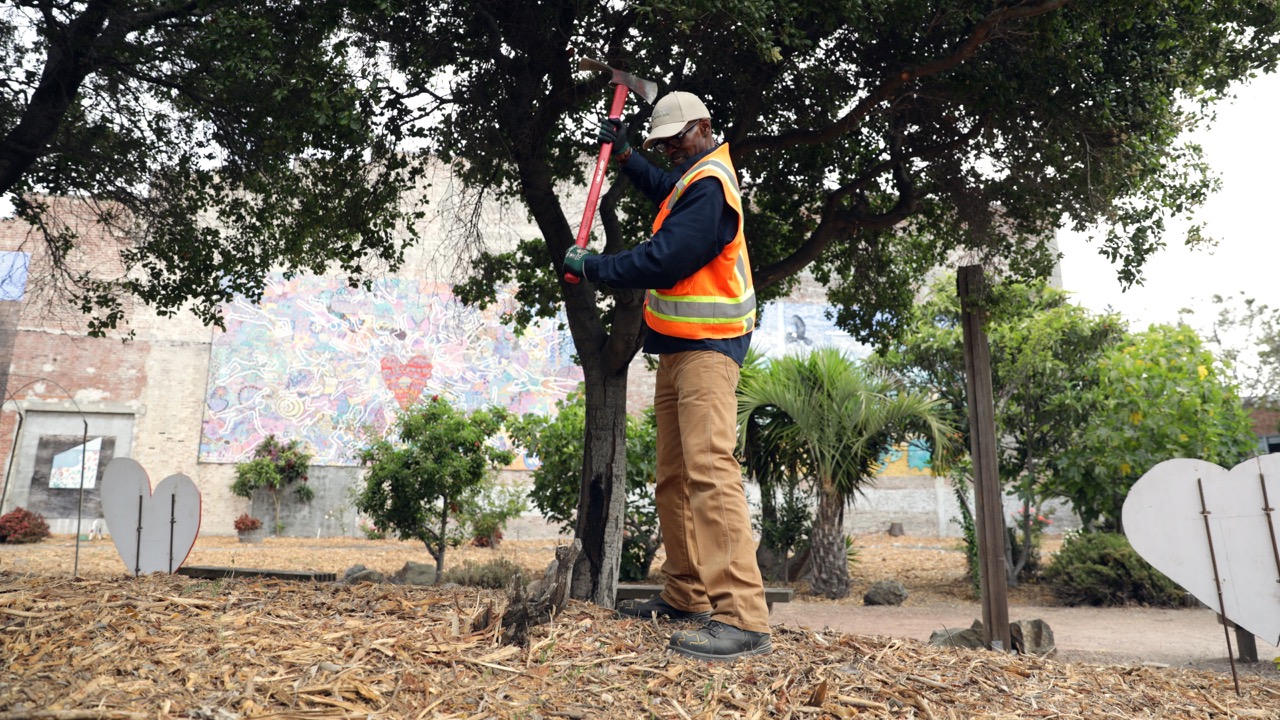
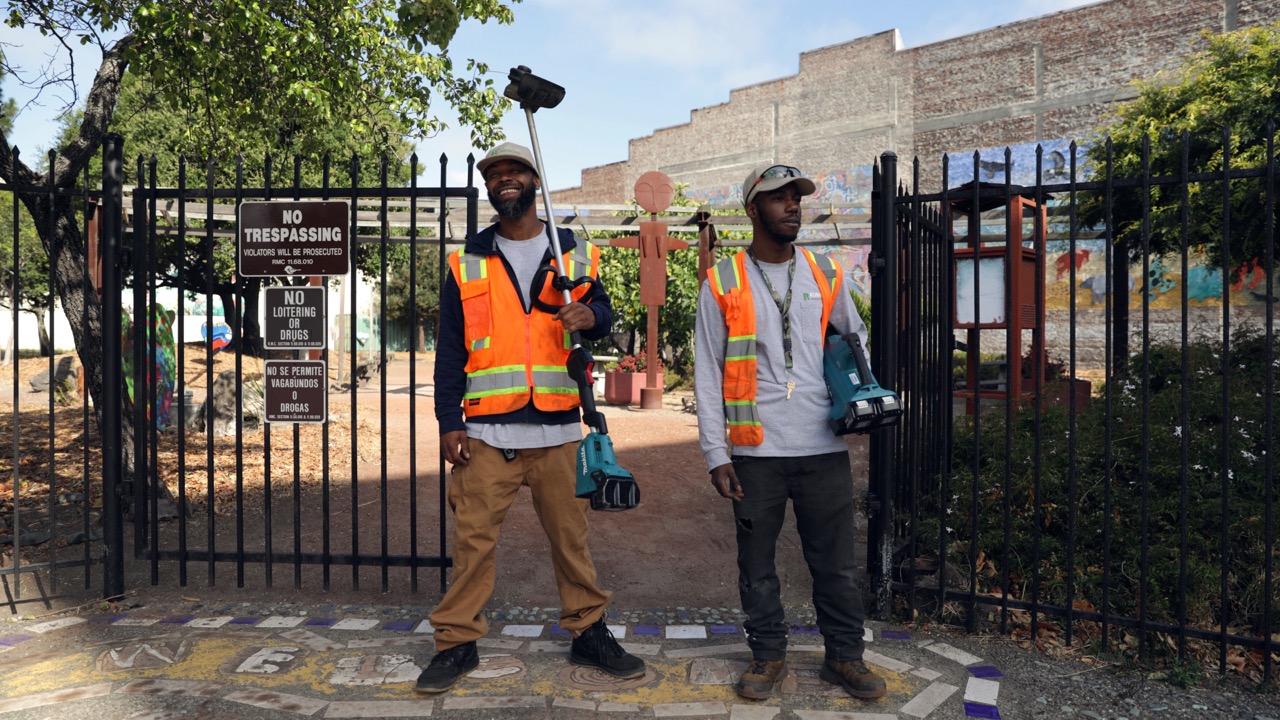
Learn more about how the Beautify Richmond program was able to help our first group of cohorts, justice-impacted participants embark them on a journey of personal growth, skill development, and community enrichment through landscaping.
Rubicon Landscape is proud to have offered the landscaping training for the Beautify Richmond program to help nuture their love for nature, landscaping, and restoring our environment. Rubicon Landscape is on a mission to transform landscaping and LIVES.
Source: